Cart is empty

CULTURE READS
Inside Pili Festival: A celebration of Bicol’s prized agriculture
People from outside Bicol may see pili nuts as a trendy superfood or a no-brainer pasalubong. But before they entered grocery stores as wellness snacks, locals in Sorsogon City grew up around it so fondly that a whole festival was conceptualized.
DATEJUNE 01, 2026
AUTHORANGELA CLARE AGPAWA
READ10 Min
Pili Festival: A Day to Celebrate Pili
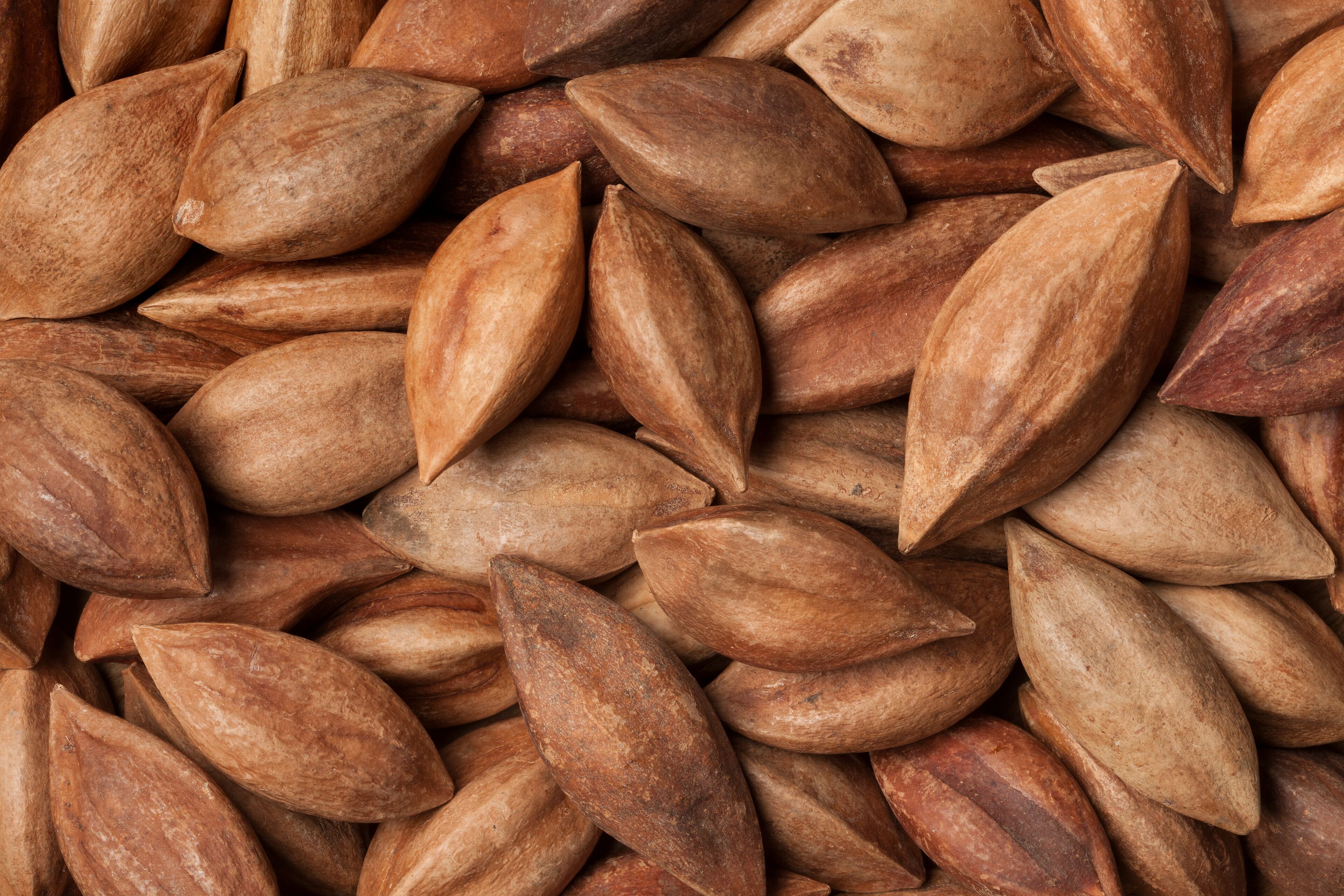
Normal sights in Bicol are pili nuts sold in all forms and other related practices observable daily. Roasted pili nuts displayed in roadside stalls along highways. Mazapan de pili, toasted pili, pili tarts, and caramelized candies in large trays sold in local palengkes.
Pili skincare products have also been a big highlight in the market, both locally and internationally, as well as cosmetics and essential oils using pili oil as base and active ingredient.
Culturally, families pass down recipes using pili pulp and nuts the same way other provinces pass down recipes built around coconut or rice. Farmers climb tall pili trees during harvest season while processors spend hours cracking shells that are famously difficult to open cleanly by hand.
This is how deeply pili has been ingrained in Philippine culture—resulting in the birth of the Pili Festival in 1999, with the first-ever event held in 2000.
Pili Festival Activities
The Pili Festival is both a cultural and religious festival. Alongside celebrating the bountiful harvest of pili, it also honors the town’s patron saints, Sts. Peter and Paul.
The festival is held annually on June 28-29, but the celebration starts earlier with a 9-day novena that runs from June 20 to June 28, typically held at the Sts. Peter and Paul Cathedral. On the Feast Day itself, June 29, the novena is concluded with a concelebrated pontifical mass.
During the festival, contingents wear costumes representing the stages of the pili fruit itself: green for young fruit, violet for half-mature pili, and black for fully ripened harvest-ready nuts. FestivalScape notes that these presentations are among the festival’s central highlights as it transforms the lifecycle of the crop into large-scale choreography performed across the city streets.

Pili Festival | Tourism Promotions Board
Even the costumes carry strong Bicolano influences beyond the color symbolism. Indigenous materials like abaca fibers, woven textures, beadwork, sculpted pili shells, and leaf-inspired headdresses are creatively incorporated into the outfits. Abaca production has long been associated with the Bicol Region, so this is a natural way for the festival to reflect another major part of local craftsmanship and livelihood.
Some dancers wear shoulder pieces shaped like pili branches while others carry oversized woven baskets resembling harvest containers. The costumes feel connected to actual industries and materials so culturally embedded people in the region still recognize despite time and age. These dance groups, composed of young men and women, follow the beats of the percussion instruments as they showcase different products made from the pili tree.
As for the music keeping the atmosphere alive, they use brass bands, snare drums, cymbals, bass drums, and native percussion instruments that accompany the street dancing while crowds gather along the parade routes. Other activities include battle of the bands, color runs, and rave parties.
Along Rompeolas (Sorsogon City Baywalk), food vendors line up for the House Expo/Agro-Trade Fair, selling various pili products commonly seen in Bicol markets. The more boisterous events of the festival are sports competitions, cultural shows, outreach programs, talent competitions, cook fest, music events, and beauty pageants.
Sorsogon PNP Band Rompeolas Nights Rompeolas, Sorsogon City | Facebook
It would not be a pili nut festival without the “Tiliradan sa Dalan,” a community event where a line of people crack the pili nut open (locally called Pagtilad, where the nut is placed on a wooden board and opened with a strike of a bolo on its shell with such precision to preserve the kernel within). In 2004, the longest recorded line of people cracking pili nuts reached 10,000.

2026 Pili Travel Guide | Expedia Philippines
Pili Poppers: Modern take on pili as a healthy snack
Pili products have caught on to the innovative developments in the food industry; a lot of food brands have now produced their own take on pili.
Despite the innovation, majority of pili food products are built on the same base: roasted nuts, tarts, brittles—the likes.
Contrary to this, a more modern approach fulfilling current snack trends and healthy eating habits has recently been tapped by a new product in the market.
Pili Poppers is a Singapore-developed snack product that uses Philippine pili nuts as a healthier alternative to conventional chips. Unlike usual pili snacks, Pili Poppers has the same texture as an energy bar except in bite-sized pieces. This makes it a perfect healthy snack on the go, which you can bring during road trips or busy days when missing meals tend to happen.

In addition to the natural health benefits of pili nuts, which support the bones, heart, cells, and digestive and immune systems, Pili Poppers uses a natural sweetener extracted from corn, a sugar alternative that reduces glycaemic impact. It also uses sprouted and activated pili nuts, which eliminate phytic acid, an antinutrient found in most nuts like almonds and walnuts, that blocks mineral absorption. By removing, essential minerals are easily absorbed by the body.
For years, people outside the region mainly encounter pili during holidays or airport pasalubong shopping. Pili Poppers made the move to turn the ingredient into a snack culture instead, placing it among wellness products and contemporary packaged snacks.
From a cultural perspective, this is also beneficial because indigenous ingredients tend to lose visibility when consumers shift toward imported brands and mass-market snacks. This modernized pili product garners attention, or at least helps maintain interest in the crop—simultaneously promoting local.
Most importantly, Pili Poppers still comes from the same farming communities and regional traditions celebrated during the Pili Festival. Even when packaged for international markets, the ingredient itself remains tied to Bicol agriculture and food culture. This allows Philippine local products to achieve global standards while retaining culture.
For more reads on culture, subscribe to Our Market.

